Industrial inflation rises to 19.9% in October, the steepest since November 2022
Spain's National Statistics Institute (INE) reported on Tuesday 24 November that industrial prices rose 19.9% year on year in October. Energy reached 53.1%, and the rate has now climbed for eight months in a row.
By Celsmar Newsroom · Economy desk · Published on · 3 min read
Translated from the Spanish original. Read the original

Industrial prices in Spain rose 19.9% year on year in October, the INE said on Tuesday 24 November. The rate is 1.3 percentage points higher than in September and the highest since November 2022, according to Expansión and Europa Press. It is the eighth consecutive month of increases.
Both reports attribute the figure to the cost of energy and mention the effects of the war in Iran on the rate for the tenth month. Neither cites an analyst forecast for this figure, so there is no benchmark for what was expected. The year-to-date figure is on record: over the first ten months, industrial inflation has averaged 20% above the same period of 2025.
The weight of energy
The energy component explains this month's rise. According to the INE, energy lifted its annual rate by 2.6 percentage points, to 53.1%, the highest since September 2022. The agency links this to higher costs in the production, transport and distribution of electricity.
By sector, prices for coke ovens and petroleum refining rose 79% year on year in October. The supply of electricity and gas increased 47.4% compared with October 2025. Over the first ten months, refining is up 84.3% and electricity and gas are up 47.4%.
Intermediate goods also accelerated: their annual rate rose 1.2 percentage points, to 8.7%, driven by higher prices in the manufacture of basic chemicals. Excluding energy, industrial prices rose 4% year on year, four-tenths of a point more than in September. That rate is 15.9 percentage points below the headline index.
Regional figures and monthly change
Industrial inflation was positive in October in all Spanish regions. The largest increases were in the Canary Islands (48.7%), Asturias (47.3%), the Balearic Islands (43.6%), Andalusia (31.2%) and Murcia (24.2%). The smallest were in Extremadura (7.2%), Cantabria (9%) and Castile and León (10.8%).
On a monthly basis, October against September, industrial prices rose 1.7%. According to the INE, the main driver was a 7.2% increase in the production and distribution of electricity, together with a 2.2% rise in prices for chemicals and animal feed products. On the downside, petroleum refining fell 0.4% and the manufacture of vegetable and animal oils and fats dropped 0.6%.
In the markets
The Ibex 35 slipped 0.26% at the open on Tuesday 24 November and was trading at 19,130.30 points, compared with 19,181.10 at the previous close. So far it has moved between a low of 19,040.80 and a high of 19,153.30 points.
The euro was trading at $1.0919 mid-morning, up 0.12% from the previous close of $1.0906. During the day it has ranged between $1.0899 and $1.0922. Over the past 52 weeks, the high has been $1.2024 and the low $1.0884.
The yield on the US 10-year Treasury stood at 4.92% on Monday 23 November, up 0.12% on the day, against 4.91% at the previous close. The same day, the S&P 500 surged 4.73% to close at 7,237.17 points, up from 6,910.39 in the previous session. In commodities, gold futures were trading at $3,625.80 an ounce on Tuesday, down 0.70% from the previous close.
These are quotes recorded over the same period and are reported separately.
Among the data published in Europe on Monday 23 November was Germany's manufacturing purchasing managers' index (PMI), which came in at 55.0 against a consensus of 54.1 and a previous reading of 54.2. The euro zone composite PMI was 51.7, against a forecast of 51.9 and the same previous reading of 51.7.
Questions and answers
- What does industrial inflation measure, and how much did it rise in October?
- It tracks changes in prices across the industrial sector. According to the INE, prices rose 19.9% year on year in October, 1.3 percentage points more than in September and the highest rate since November 2022.
- Why has the rate risen so sharply?
- According to the INE, because of energy, whose annual rate rose 2.6 percentage points to 53.1%. Within it, petroleum refining became 79% dearer and electricity and gas rose 47.4%.
- Do prices rise by the same amount if energy is excluded?
- No. Excluding energy, industrial prices rose 4% year on year in October, four-tenths of a point more than in September and 15.9 percentage points below the headline index.
Sources
- Expansión: La inflación industrial se dispara al 19,9% en octubre por la energía hasta máximos de cuatro años
- Europa Press: La inflación industrial se dispara al 19,9% en octubre por la energía y escala a máximos de cuatro años
Was this story useful?
Comments
You need a free Celsmar account to comment.
Sign in or create accountNo comments yet. Yours can be the first.
Keep reading
- Celsmar Newsroom

Treasury Yields Slip as Bets on Fed Rate Rises Grow
The yield on the 10-year US Treasury bond has risen to 4.92% in the latest quote. Goldman Sachs argues that in South Korea, stabilising the won would curb inflation more than raising interest rates would.
- Celsmar Newsroom

German composite PMI rises to 55 points as French falls to 46.2 in November
German private sector activity hits its best reading in 56 months, according to Europa Press, while France contracts for a second month. The eurozone composite PMI stands at 51.7 points.
- Celsmar Newsroom
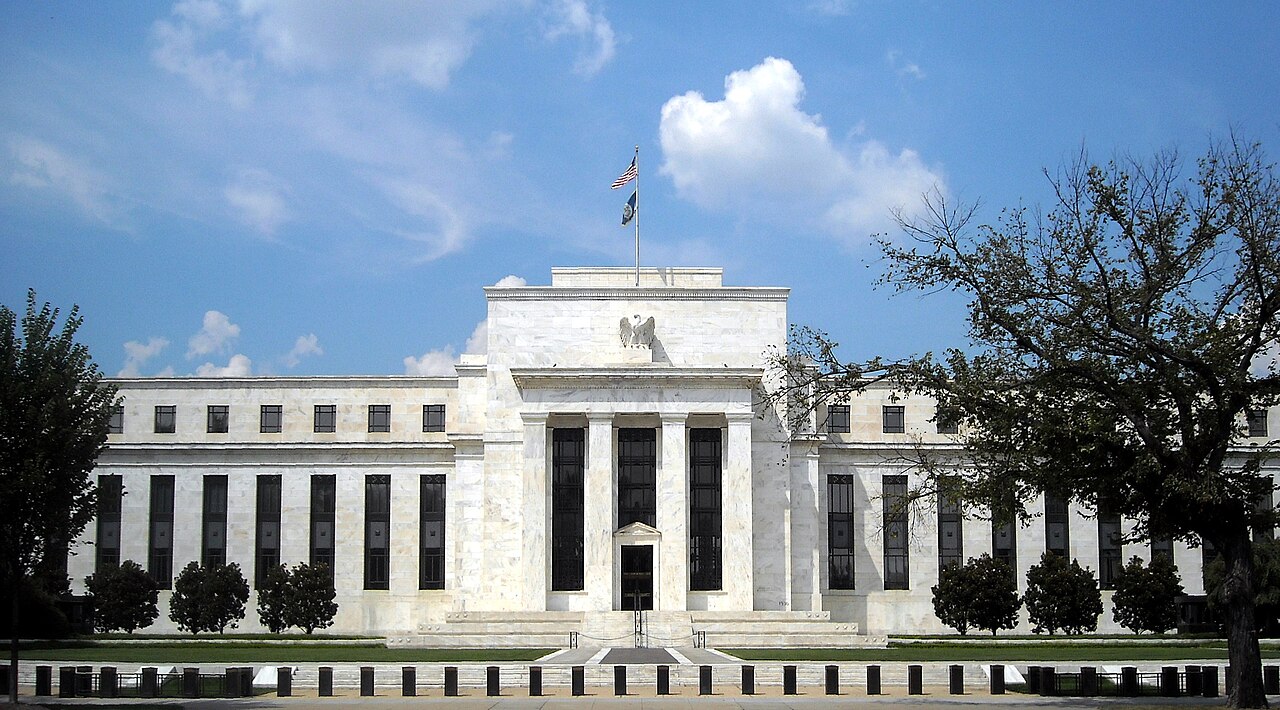
Bessent warns Fed risks tightening too far as stocks slide
The US Treasury Secretary told CBS the central bank could make a mistake if it tightens too much. He spoke after a week of heavy stock selling, with the S&P 500 at 6,910.39 points on Friday.
- Celsmar Newsroom
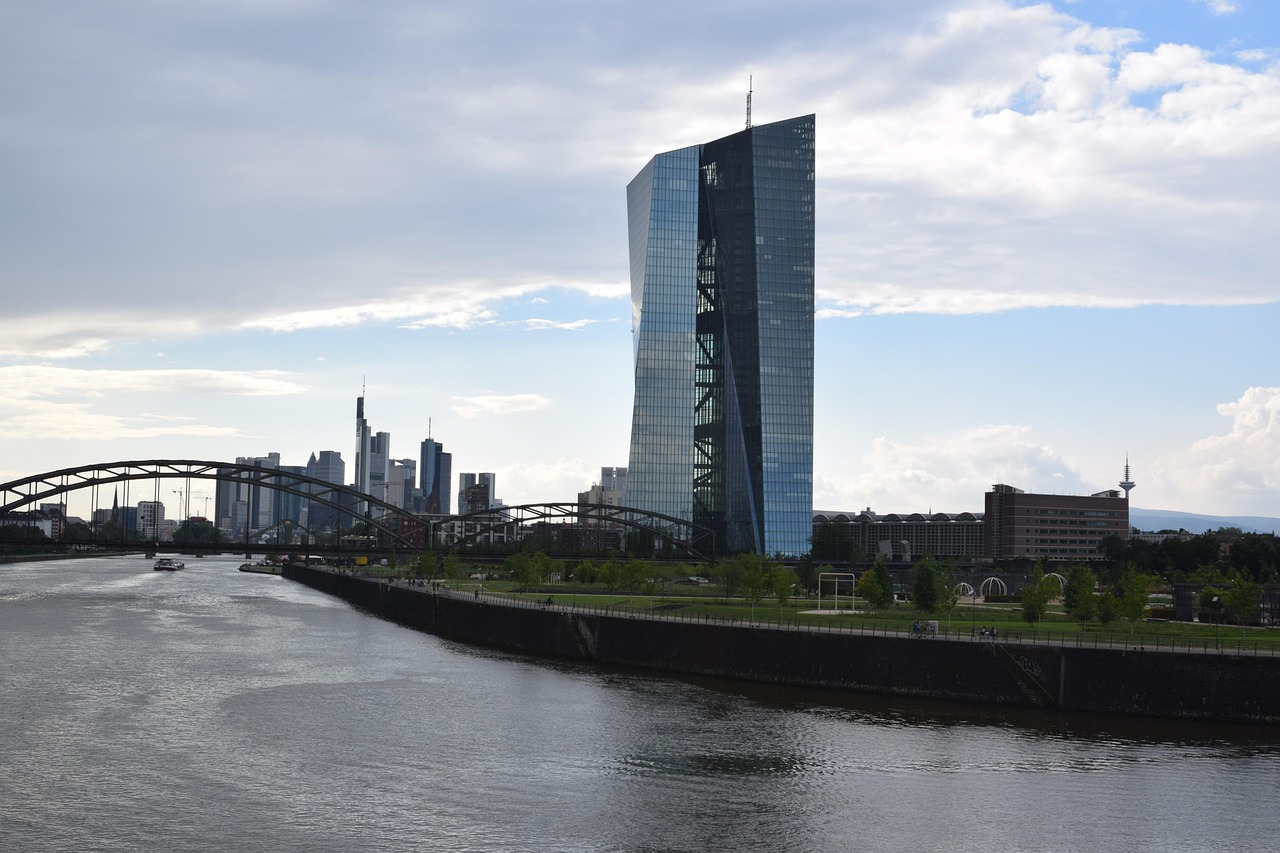
ECB Set to Raise Rates by 25 Basis Points to 2.75% in December
According to Expansión, the Governing Council sees a further rise in the price of money as almost certain. The aim is to curb second-round effects on inflation expected in 2027.
Produced with artificial intelligence from the cited sources and translated from Spanish. Editorial responsibility: Celsmar. This is information, not financial advice, and it contains no recommendation to buy or sell. This is how the Celsmar Newsroom works.