Ofgem raises UK energy price cap by 26% from January
The British regulator is lifting the gas and electricity price ceiling for a third consecutive quarter, according to the Financial Times, Bloomberg and The Guardian. Annual bills will top £2,000.
By Celsmar Newsroom · Economy desk · Published on · 2 min read
Translated from the Spanish original. Read the original
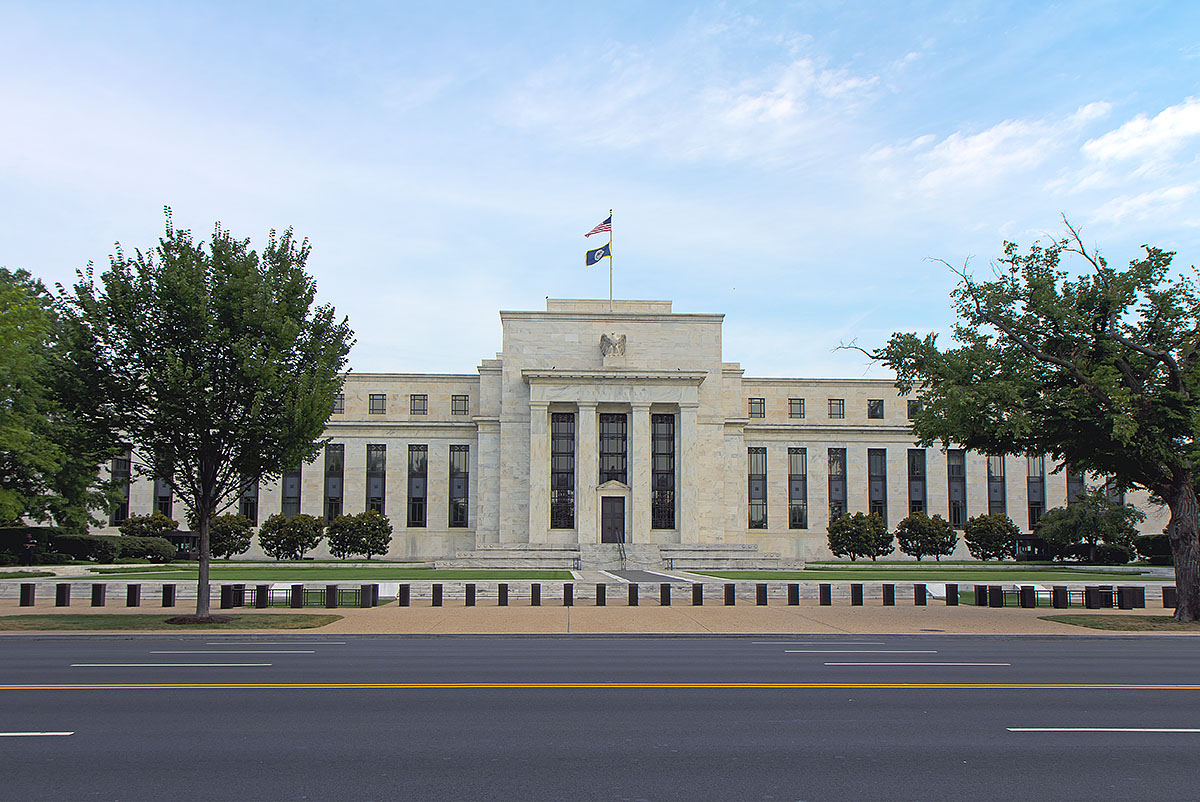
Ofgem, the British energy regulator, announced on 25 November a 26% rise in the domestic energy price cap from January. According to the Financial Times, the new limit, which applies for three months, reflects higher gas prices in the wholesale market.
It is the third consecutive quarter in which the cap has risen, according to The Guardian. The paper adds that millions of British households will face annual bills of more than £2,000, something not seen since the gas crisis triggered by Russia.
What lies behind the increase
Bloomberg attributes the rise to the Middle East war, which is pushing up wholesale gas and electricity prices. According to the agency, winter demand adds pressure on prices in January.
The Guardian notes that wholesale price rises have not been seen since the first winter after Russia's invasion of Ukraine. The available material does not detail the exact level of the cap per unit of energy or the resulting average bill beyond that £2,000 figure.
Markets
The available quotes do not include a move in sterling or British government bonds, so its reaction to Ofgem's decision cannot be measured. None of the sources links the announcement to movements in other markets.
The euro trades at $1.0942 as of 08:34 on 25 November, 0.23% lower than the previous close of 1.0967. During the day it has moved between 1.0935 and 1.0970. Over the past 52 weeks, its high is 1.2024 and its low 1.0884.
The US 10-year Treasury yield closed on 24 November at 4.90%, compared with 4.92% previously. The S&P 500 fell 0.50% that day and finished at 7,201.09 points. Its 52-week high is 7,844.52 points and its low 6,316.91.
In Spain, the Ibex 35 fell 0.86% on 24 November and closed at 19,015.80 points, with a 52-week high of 20,356.50 and a low of 15,910.30. Gold futures trade at $3,516.50 an ounce as of 08:24 on 25 November, down 1.27%, after closing earlier at $3,561.90.
Other data from 24 November
In the United States, the Conference Board's consumer confidence index stood at 103.3 points in November, against the 92.4 consensus forecast and 91.7 the previous month. In Germany, business expectations came in at 91.9, against a consensus of 92.0 and a previous reading of 91.5.
The material does not give a date for Ofgem's next review of the cap, so the latest confirmed information is the 26% rise due to take effect in January.
Questions and answers
- By how much is the energy bill rising in Great Britain?
- Ofgem's cap rises 26% from January for gas and electricity, according to the Financial Times and The Guardian. The annual bill will exceed £2,000, according to The Guardian.
- Why is energy getting more expensive?
- According to Bloomberg, the Middle East war is pushing up wholesale gas and electricity prices, and winter demand adds pressure. The Financial Times refers to a jump in the wholesale cost of gas.
- How is the euro trading against the dollar on 25 November?
- As of 08:34 it trades at $1.0942, 0.23% lower than the previous close. No source attributes that move to Ofgem's decision.
Sources
- Financial Times: UK household energy bills to soar 26% from January
- Bloomberg: UK Energy Bills Rise 26% With War Fueling Cost-of-Living Squeeze
- The Guardian: Energy bills in Great Britain to rise 26% in January, lifting annual bills over £2,000
Was this story useful?
Comments
You need a free Celsmar account to comment.
Sign in or create accountNo comments yet. Yours can be the first.
Keep reading
- Celsmar Newsroom

De Cos emerges as frontrunner for ECB presidency as Knot stays in race
According to ABC and El Mundo, the former Bank of Spain governor has the backing of Germany, France and Italy. The European Council on 26 and 27 November will seek a political agreement.
- Celsmar Newsroom

Australia's inflation rises to 4.9% year on year in October as RBA stays on alert
Australia's consumer price index rose 4.9% year on year in October, according to The Wall Street Journal. Bloomberg reports that underlying inflation accelerated unexpectedly.
- Celsmar Newsroom

Argentina's economy grows 1.1% in September but slips into technical recession
Indec reported on 24 November that activity rose 1.1% month on month in September and fell 1.2% year on year. Two consecutive quarters of contraction confirm a technical recession.
- Celsmar Newsroom

German Ifo business sentiment rises to 90.6 in November, seventh straight monthly gain
Germany's Ifo business climate index has risen from 90.1 points in October, according to Expansión. It is the highest reading since May 2023, with declines in industry and construction.
Produced with artificial intelligence from the cited sources and translated from Spanish. Editorial responsibility: Celsmar. This is information, not financial advice, and it contains no recommendation to buy or sell. This is how the Celsmar Newsroom works.