OPEC+ to hold crude output steady in first quarter of 2027
OPEC+ has reached an agreement in principle not to change its production in the first quarter, according to Bloomberg. Brent was trading at $90.84 a barrel on 27 November, against a 52-week high of $126.10.
By Celsmar Newsroom · Commodities desk · Published on · 3 min read
Translated from the Spanish original. Read the original
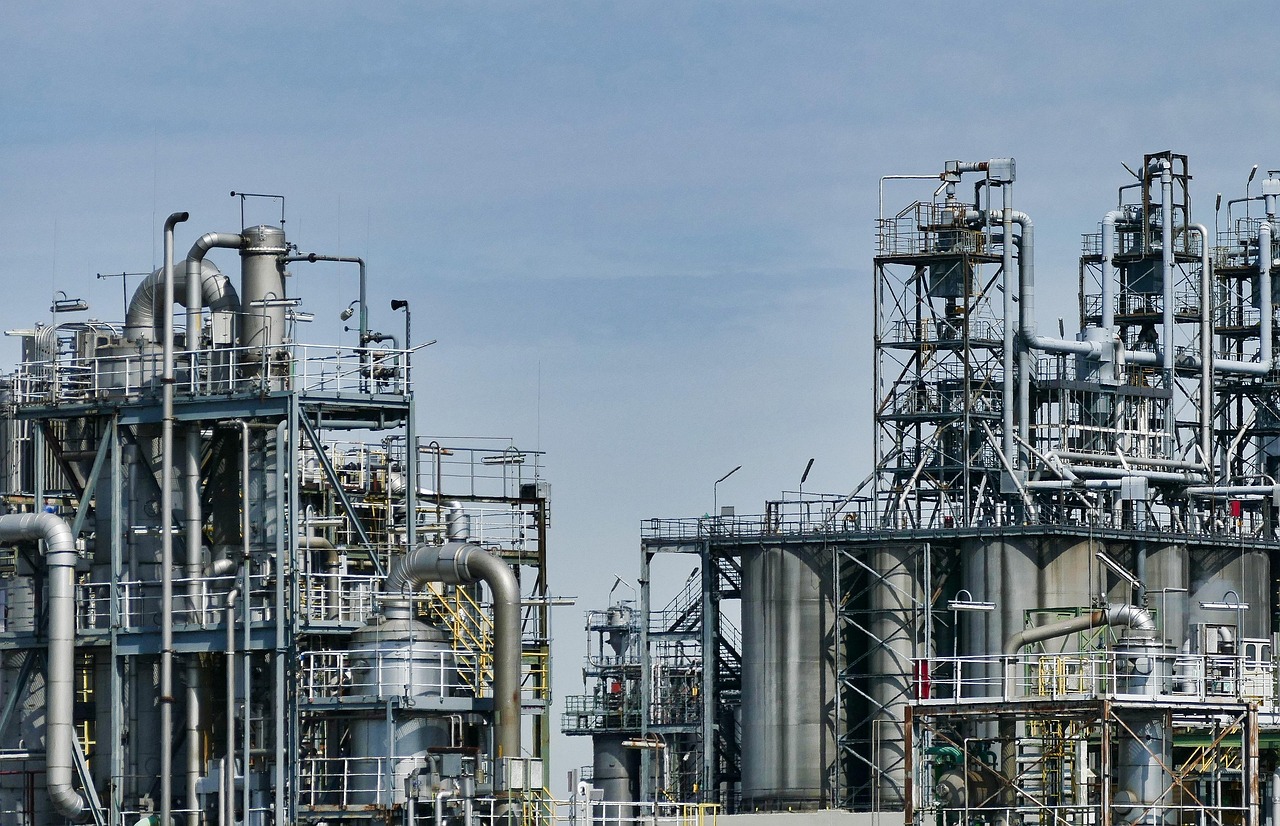
OPEC+ has reached an agreement in principle to keep its crude production quotas unchanged during the first quarter of 2027, Bloomberg reported on 29 November. The agency cites two delegates who asked not to be identified.
Reuters, for its part, headlines that the organisation is preparing to keep output unchanged while the war in Iran persists and divisions over capacity remain. The agency does not expand on that headline in the material available, so no further details on those differences are confirmed.
Crude oil
Brent for nearest delivery was trading at $90.84 a barrel on 27 November at 20:44 Madrid time, up 0.22% from the previous close of $90.64. During the session it moved between a low of $89.77 and a high of $93.14.
Over the last 52 weeks, Brent has ranged between a low of $58.72 and a high of $126.10. Its change over that period is up 51.1%.
West Texas Intermediate was trading at $83.08 a barrel, down 0.72% from the previous close of $83.68. Its range on the day was $82.57 to $86.60. Over 52 weeks, its low is $54.98 and its high $119.48, with a change of up 40.1%.
None of the sources links that session's price with OPEC+'s decision, which became known later, on 29 November. Prices and the agreement are reported separately.
Metals and gas
Gold futures rose 2.91% and traded at $3,668.50 an ounce, against a previous close of $3,564.60. The day's low was $3,578.80 and its high $3,712.80. Over 52 weeks, the metal has touched a high of $5,586.20 and a low of $3,425.20, and is down 14.9% over the period.
Silver was the metal that moved most: it jumped 7.81% to $43.70 an ounce, from a previous close of $40.54. The session range was $41.08 to $44.86. Its 52-week high is $121.30 and its low $40.05, with a fall of 26.1% over that period.
Copper gained 3.30% to $5.60 a pound, from $5.42 at the previous close. It moved between $5.43 and $5.76. Over 52 weeks it has had a low of $5.15 and a high of $6.83, and is up 5.7%.
US natural gas fell 4.57% to 3.49, from 3.66 at the previous close. Its low for the day was 3.45 and its high 3.70. Over 52 weeks, the range runs from 2.48 to 7.83, with a fall of 29.1% over the period.
The sources give no date for OPEC+'s next meeting, so the latest confirmed information is the agreement in principle on the first quarter of 2027.
Questions and answers
- What has OPEC+ decided?
- According to Bloomberg and two delegates, it has reached an agreement in principle to keep its production quotas unchanged in the first quarter of 2027.
- How much was Brent trading at?
- On 27 November, at 20:44 Madrid time, Brent was trading at $90.84 a barrel, up 0.22% from the previous close.
- Which metal rose most that day?
- Silver, up 7.81% to $43.70 an ounce. Gold rose 2.91% and copper gained 3.30%.
Sources
Was this story useful?
Comments
You need a free Celsmar account to comment.
Sign in or create accountNo comments yet. Yours can be the first.
Keep reading
- Celsmar Newsroom

UN court rejects Argentina's bid to halt Sea Lion oil project near Falklands
The International Tribunal for the Law of the Sea on Saturday rejected Argentina's request to suspend the Sea Lion project.
- Celsmar Newsroom
Gold rebounds 2.59% to $3,657 an ounce
Gold has gained 2.59% and trades at $3,657 an ounce, according to data from 27 November. The 52-week low is $3,425.20 and the high is $5,586.20.
- Celsmar Newsroom
Brent rises 0.83% to $91.39 after slumping from almost $120 in October
Brent gained 0.83% on 26 November, closing at $91.39 a barrel. Its 52-week high is $126.10 and its low is $58.72.
- Celsmar Newsroom

Brent rises 0.60% to $91.18 on Middle East tensions
Brent crude is trading at $91.18 a barrel in early trading on 26 November. Media outlets point to supply risks in the region, while gold and silver are climbing more sharply.
Produced with artificial intelligence from the cited sources and translated from Spanish. Editorial responsibility: Celsmar. This is information, not financial advice, and it contains no recommendation to buy or sell. This is how the Celsmar Newsroom works.