Snap election leaves four banking laws unapproved, Expansión reports
The Ibex 35 fell 1.63% on 20 November to close at 18,873.10 points. Expansión notes that the dissolution of the Cortes has stalled sector rules, while ABC details the PP's plans for the regulators.
By Celsmar Newsroom · Spain desk · Published on · 4 min read
Translated from the Spanish original. Read the original
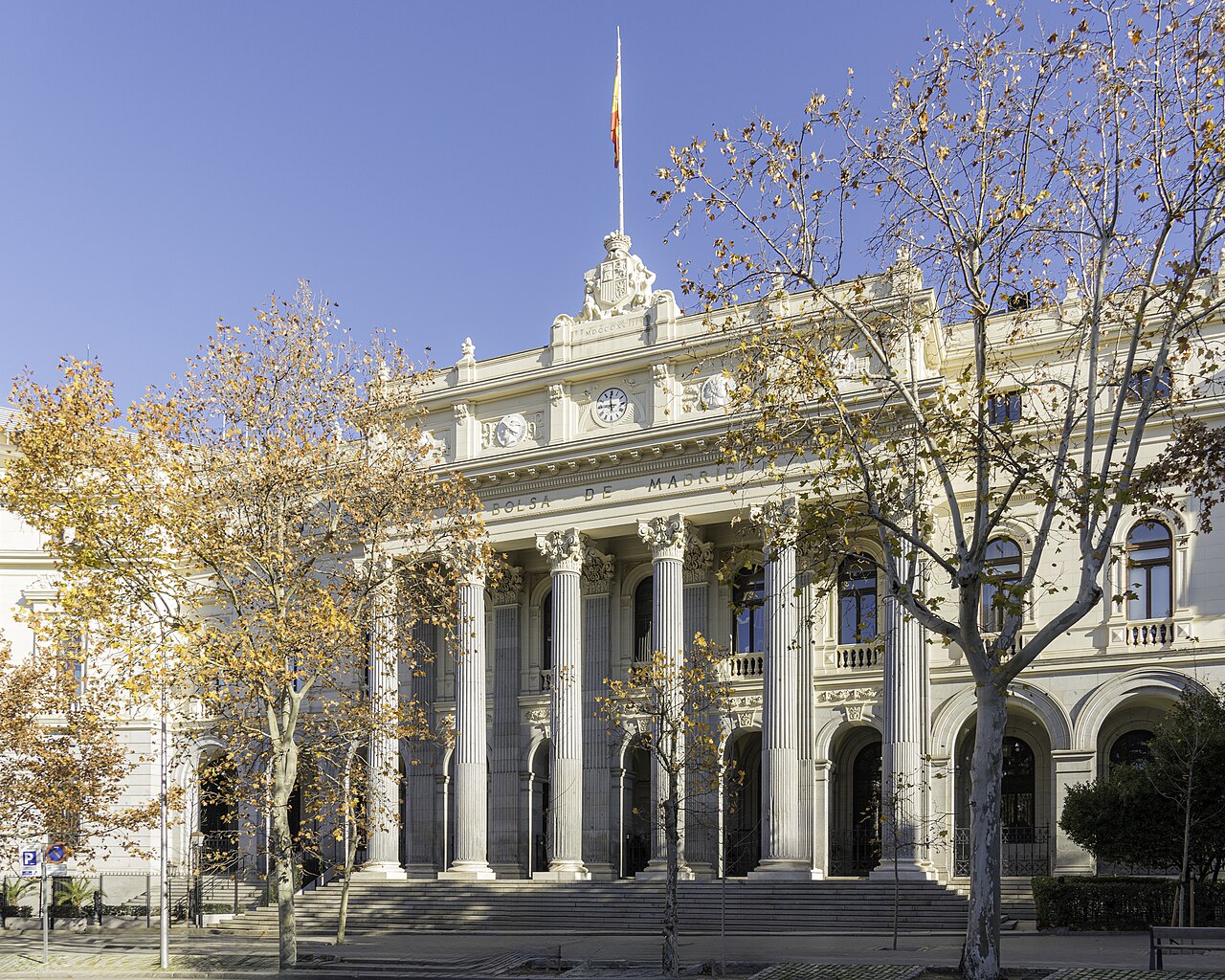
The Ibex 35 fell 1.63% on 20 November to close at 18,873.10 points, after the previous close of 19,186.20. That same week, the snap election called by Pedro Sánchez has left several financial sector rules without entering into force, according to Expansión.
The laws that lapse
According to Expansión, the dissolution of the Cortes has derailed the legislative agenda that the Ministry of Economy wanted to push through in the months remaining in the term. The paper notes that most of the bills are transpositions of European directives, and so it believes they will be approved sooner rather than later. The regulation of the European investment account did get through: it was approved a few days ago by the Permanent Deputation of Congress.
The first law the paper cites is the one creating the Financial Customer Protection Authority. The government proposed setting up this body four years ago, when Nadia Calviño was economy vice-president. The bill was already in the Senate when Sánchez called early elections in July 2023, so it lapsed. Carlos Cuerpo relaunched it with the same framework, but Expansión explains that it had been stuck for two years due to opposition from Junts, the PP and Vox.
The body would have centralised complaints over the mis-selling of banking, investment and insurance products. According to Expansión, its rulings would have been binding on banks, insurers and investment services firms in disputes under €20,000, which make up the majority. Those of the Banco de España are not binding. The banks would have financed the authority through a levy, and the banking associations argued it was unnecessary and could encourage litigation. The AEB cited the experience of the United Kingdom.
The second is the draft Consumer Credit Agreements Law, approved in January, which had not even reached Congress. According to Expansión, Spain is exposed to a European penalty because the law transposes a directive that had to be in force by 21 November. The text would have curbed the more than 300 fintechs that grant loans in Spain without Banco de España supervision. It set caps on interest according to the amount and repayment terms, and for the first time regulated revolving credit cards.
The bank tax
On the tax front, Expansión reports that bankers are confident the PP will reach La Moncloa and scrap the extraordinary bank tax, which the PSOE wants to extend into 2027. The levy is mandatory for the whole sector but, being progressive, almost all of the bill falls on CaixaBank, Santander, BBVA and Sabadell. According to the paper, Bankinter, ING, BNP and Banca March have avoided it thanks to the 25% deduction on Corporation Tax that the rule allows.
On the stock market
The Ibex 35 traded on 20 November between a low of 18,831.00 points and a high of 19,055.30. Over the last 52 weeks its high has been 20,356.50 points and its low 15,892.20, with a change of 18.2% over that period.
Among the stocks, ArcelorMittal was the biggest faller, down 5.66% to €51.64. It was followed by Laboratorios Rovi, down 4.54% (€63.10), ACS, down 4.50% (€82.80), Acerinox, down 4.28% (€14.55), and Acciona, down 3.55% (€184.70). Redeia rose 1.76% to €16.20, and Enagás 0.80% to €17.67.
The regulators and the ballot
According to ABC, the PP has several formulas on the table to depoliticise the boards of the Banco de España and the CNMV if it governs after the 29 November election. One is the 'twin peaks' model, which splits supervision into two independent pillars. The first would be prudential and solvency supervision, handled by the Banco de España, currently led by José Luis Escrivá until 2030. The second would be conduct and consumer protection supervision, which would fall to the CNMV, chaired by Carlos San Basilio since January 2025 for six years.
ABC adds that deputy governor Soledad Núñez would remain at the Banco de España until 2030, as would board member Carles Manera, renewed until 2032, and board member Lucía Rodríguez, appointed in 2024 until 2030. According to the paper, a change of structure would allow the way new posts are appointed to be legislated. Spaniards are called to the polls on 29 November.
Questions and answers
- Which banking laws have lapsed because of the snap election?
- Expansión speaks of four. It details the Financial Customer Protection Authority and the draft consumer credit law. According to the paper, most of them are transpositions of European directives and will be approved.
- What happened to the European investment account regulation?
- According to Expansión, its regulation did get through. It was approved a few days ago by the Permanent Deputation of Congress.
- How much did the Ibex 35 fall and where did it close?
- On 20 November it lost 1.63% and closed at 18,873.10 points, against the previous close of 19,186.20.
Sources
Was this story useful?
Comments
You need a free Celsmar account to comment.
Sign in or create accountNo comments yet. Yours can be the first.
Keep reading
- Celsmar Newsroom
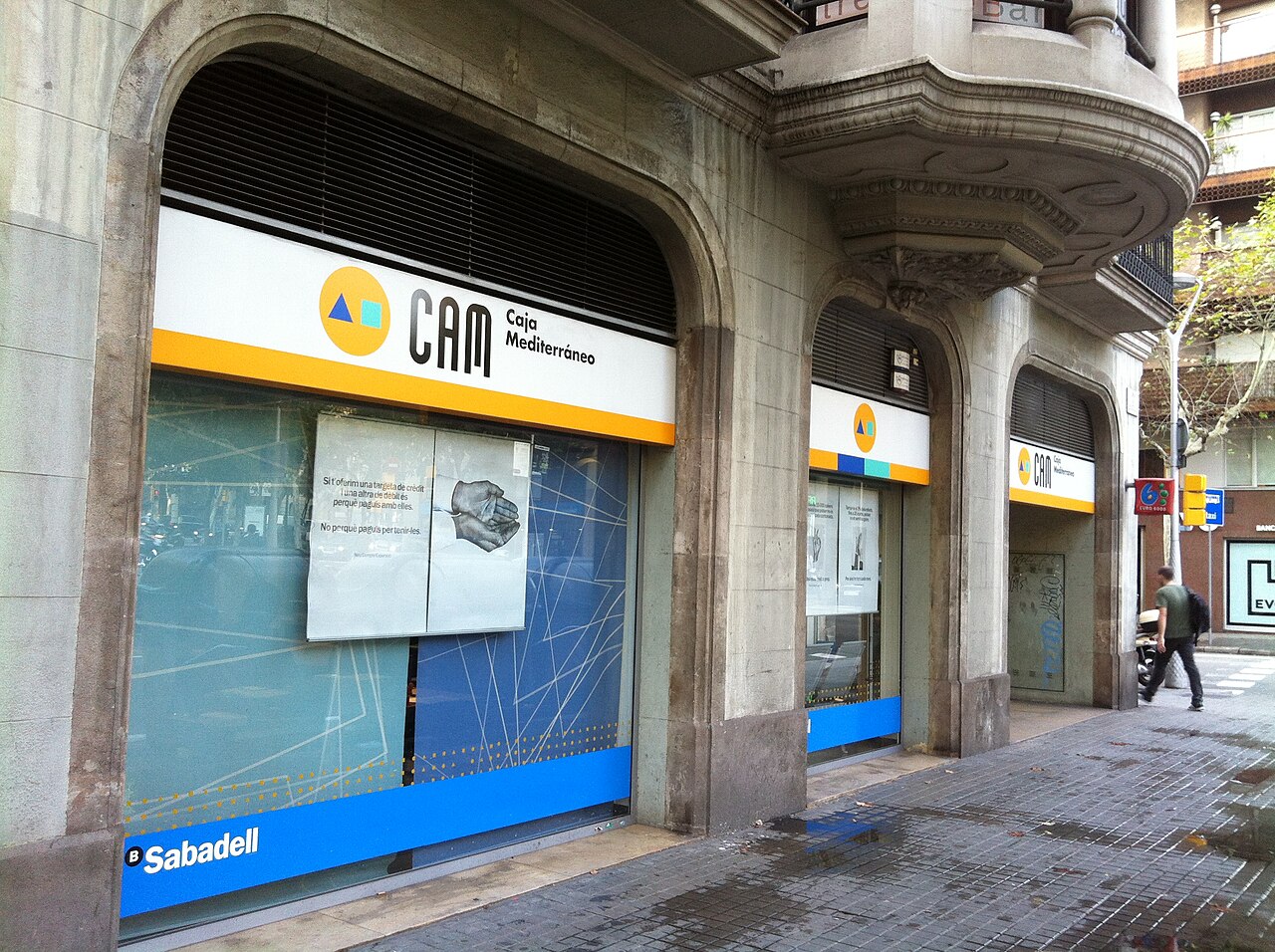
Sabadell completes €331m buyback as Zurich drops below 3% stake
The bank has exhausted the maximum amount of its treasury share programme, according to a filing with the CNMV. Zurich, meanwhile, has notified that its stake has fallen to 2.920%.
Banco Sabadell
- Celsmar Newsroom

Plus Ultra suspends all flights from Monday, including those to Caracas
The airline, in pre-insolvency proceedings, has halted its operations until further notice. Until now it had only kept flights to Venezuela, according to El Mundo.
- Celsmar Newsroom
PSOE proposes wealth tax on fortunes above €100m to raise €2bn
Pedro Sánchez has announced a new levy on estates worth more than €100m this 23 November, according to Europa Press. The IBEX 35 is up 0.97% and trades at 19,055.50 points.
- Celsmar Newsroom
Ibex 35 edges up 0.28% at the open to 18,925.20 points
Spain's benchmark index has opened the 23 November session higher, after closing last week with a fall of nearly 6%, according to Europa Press. It trades below the 19,000-point mark.
Produced with artificial intelligence from the cited sources and translated from Spanish. Editorial responsibility: Celsmar. This is information, not financial advice, and it contains no recommendation to buy or sell. This is how the Celsmar Newsroom works.