US proposes new tariffs on 14 trading partners, including China and EU
Washington justifies the duties by industrial overcapacity in those economies. Mexico is exempt, while China faces the highest surcharge, according to sources.
By Celsmar Newsroom · Politics desk · Published on · 3 min read
Translated from the Spanish original. Read the original
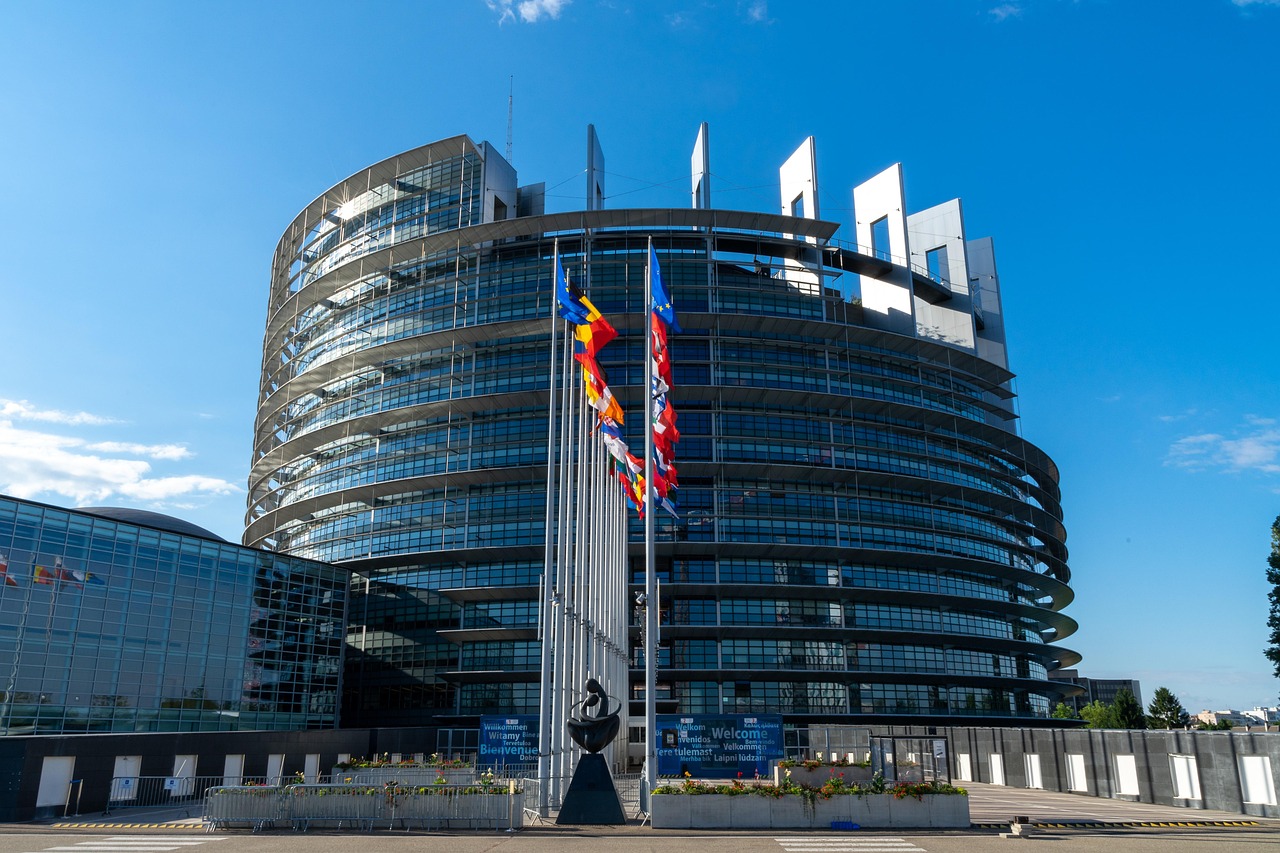
The United States has proposed new tariffs on 14 trading partners, including China, the European Union, Japan and India, CNBC reported on 25 November. Washington justifies the measures by excess industrial capacity in those economies. According to The Wall Street Journal, the higher tariffs could take effect in January.
A senior US official, who is not named in CNBC's report, said the economies singled out generate or sustain structural excess capacity and production in manufacturing sectors, and that this harms or limits trade for the United States. The same official said the 14 partners have already been notified. According to his account, none of the tariffs would exceed the rates announced in the reciprocal trade framework agreements.
Who is affected
The new tariffs would not be added to existing ones, with one exception: China. According to CNBC, the Asian country faces an extra 20% on top of the 25% that Washington imposed in 2018 over forced technology transfer. That surcharge could rise to 40% if Beijing fails to meet its part of the trade truce agreed in Busan, South Korea, in October 2025. Following that deal, tariffs on Chinese exports to the United States were set at 47%.
Cinco Días notes that the highest duties will fall on China and that Mexico is exempt. CNBC had previously reported, citing a source familiar with the matter, that the tariffs would be country-specific rather than a single rate for everyone.
The legal basis is Section 301 of the Trade Act of 1974, which allows Washington to respond to foreign trade practices it considers unfair, discriminatory or burdensome to its commerce. The administration argues the problem is overcapacity, meaning excessive industrial production, often backed by subsidies, which allows markets to be flooded with cheaper goods and undercuts American producers.
The road so far
China's Foreign Ministry said on Wednesday, before the Office of the US Trade Representative published its reports, that so-called overcapacity does not really exist, according to Reuters as cited by CNBC.
Tariffs have been a hallmark of the Donald Trump administration since it unveiled the so-called Liberation Day duties in April 2025, which it later suspended after bond markets reacted badly. In February, the Supreme Court struck down the tariffs Trump had imposed under the International Emergency Economic Powers Act. Following that ruling, the president turned to Section 122 of the Trade Act of 1974 to impose a global 10% tariff. He then replaced it with duties of up to 12.5% on 60 economies under Section 301, citing forced labour practices.
Bloomberg describes the new proposal as an attempt to rebuild Trump's global tariff agenda, which the Supreme Court ruled unconstitutional.
In the markets
Sources do not link the movements in prices to the proposal, so they are reported separately. The Euro Stoxx 50 falls 0.84% at 14:36 to 5,953.08 points, with an intraday high of 6,038.75 and a low of 5,949.48. The S&P 500 closed on 24 November, the latest full session available, at 7,201.09 points, down 0.50% from the previous session.
Brent crude futures rise 0.71% at 14:41 and trade at $89.41 a barrel. Gold falls 2.51% at the same time, to $3,500.80 an ounce, after reaching a daily high of $3,602.90.
In currencies, the euro slips 0.20% against the dollar at 14:51 and trades at $1.0946, with a daily low of $1.0935 and a high of $1.0970.
Questions and answers
- Which countries are affected by the new tariffs?
- 14 trading partners, including China, the European Union, Japan and India, according to CNBC. Cinco Días reports that Mexico is exempt.
- How much would China pay?
- China faces an extra 20% on top of the 25% imposed in 2018, according to CNBC. It could reach 40% if it fails to meet the Busan truce, after which tariffs on its exports were set at 47%.
- When would they take effect?
- According to The Wall Street Journal, the higher tariffs could apply in January. The sources do not give a specific date.
Sources
- The Wall Street Journal: The U.S. said it would propose new tariffs on China and dozens of other countries
- Cinco Días: EE UU propone nuevos aranceles contra 14 socios comerciales
- CNBC: U.S. proposes new tariffs on 14 trading partners, including China and the EU
- Bloomberg: US Targets China, EU With New Tariffs Citing Overcapacity
Was this story useful?
Comments
You need a free Celsmar account to comment.
Sign in or create accountNo comments yet. Yours can be the first.
Keep reading
- Celsmar Newsroom
Brussels sets quotas on imported hybrids from 1 December
The European Commission is imposing provisional safeguard measures that limit imports of certain hybrid vehicles, whatever their origin. Extended-range electric vehicles would fall outside the limit.
Boyd Gaming
- Celsmar Newsroom

US adds Megaspeed to chip export blacklist as Nvidia shares surge
Commerce has added the Singapore firm to its entity list, according to Bloomberg. Nvidia jumps 31.48% and closes at $165.05 on the day it reinstates Jensen Huang.
NVIDIA
- Celsmar Newsroom

Nvidia reinstates Jensen Huang as CEO as Senate calls him to testify on 3 December
The board voted unanimously for his return eleven days after he resigned. Congress is keeping its hearings: three House committees on 1 December and the Senate on 3 December.
NVIDIA
- Celsmar Newsroom

UK government to press businesses for more public control of water and energy
According to Bloomberg, the UK executive will try to convince business leaders that greater public control would improve services and lower costs, without full nationalisation.
Produced with artificial intelligence from the cited sources and translated from Spanish. Editorial responsibility: Celsmar. This is information, not financial advice, and it contains no recommendation to buy or sell. This is how the Celsmar Newsroom works.