Vujčić says euro is moving within its historical range against the dollar
By Celsmar Newsroom · Economy desk · Published on · 3 min read
Translated from the Spanish original. Read the original
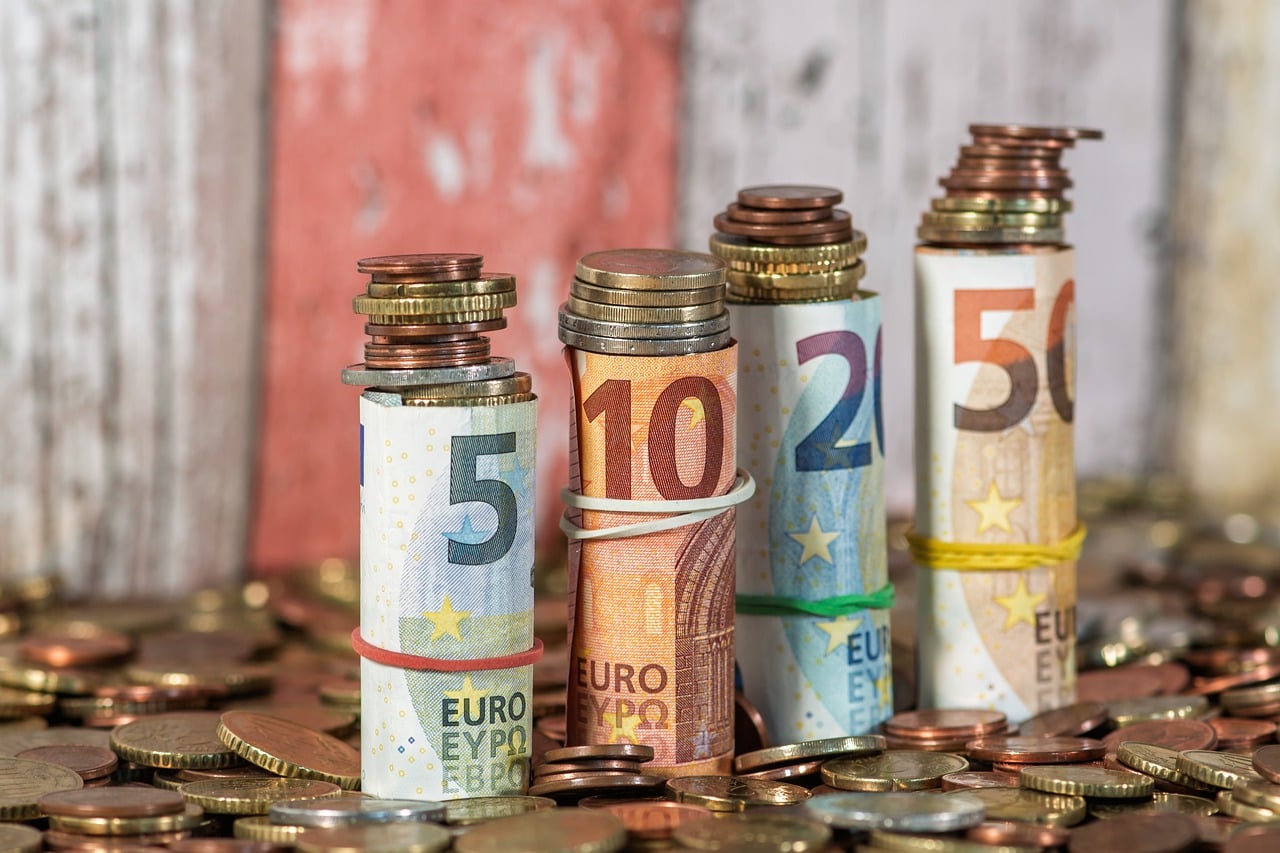
Asked about the currency's weakening since the start of the year, he said he prefers not to talk about a weak or strong euro.
What they said in the interview
Vujčić explained that the dollar is the relevant benchmark and that the euro first rose and then lost some value. He pointed out that, even so, the single currency is higher than it was in the months after its introduction. According to him, the exchange rate generally follows monetary policy expectations, the interest rate differential between the United States and the euro area and other economic fundamentals.
On the euro's value in uncertain times, Vujčić said the benefit of the single currency is felt above all in crises, when yields and spreads rise or financial markets come under strain. He said he spent 25 years running the monetary policy of a small, open economy close to the euro area. In good times, he said, whether or not a country belonged to the euro mattered less; in crises the difference was enormous.
As an example, he cited Croatia in spring 2020, before it joined the European Exchange Rate Mechanism. In his account, pressure on the foreign exchange market was such that keeping the exchange rate stable was very difficult. Croatia then signed a swap agreement with the ECB and, once it was in force, the turbulence calmed. Vujčić likened that swap line to a shield and said it allowed him to adjust other economic policy measures in response to the pandemic.
Martin Kocher, who also took part in the same interview, spoke of the euro as a currency of particular value to Austria, an open and highly export-oriented economy. He said the single currency facilitates trade and investment and eliminates exchange rate risk within the euro area. He added that there is strong demand for a new ECB programme called EUREP 2.0, made up of repo agreements with central banks, and that this points to interest in the euro as a safe currency outside Europe as well.
France and its budget
Asked about the euro's stability in the face of France's budget problems, Vujčić repeated that fiscal problems are resolved with fiscal measures. He said he believes this idea is already understood in Paris too. He recalled that France is on the eve of an election and that major decisions tend to be postponed in such periods. He said he trusts the country will address those problems afterwards.
On 27 November France's third-quarter gross domestic product (GDP) was published at -0.2%, against the -0.1% expected by consensus. The previous quarter was 0.5%. That same day, France's November harmonised index of consumer prices came in at -0.7%, against a forecast of -0.4% and a previous reading of 0.4%.
Bonds, currencies and equities
On 27 November the euro fell 0.33% against the dollar, trading at 1.0939, from 1.0975 at the previous close. That day it moved between 1.0934 and 1.0988. Over the past 52 weeks its high was 1.2024 and its low 1.0884.
The yield on the US 10-year Treasury bond rose that day to 4.94%, from 4.85% at the previous close. In Italy, the 10-year BTP auction was allotted on 27 November at a yield of 4.33%, against 4.49% previously.
On equity markets, the S&P 500 gained 1.60% and closed at 7,297.49 points. Its 52-week high is 7,844.52 points and its low 6,316.91. The Ibex 35 gained 1.72% to finish at 19,386.60 points, with a 52-week high of 20,356.50 and a low of 16,247.30.
Gold, in its futures contract, rebounded 2.91% to $3,668.50 an ounce. Its 52-week high is $5,586.20 and its low $3,425.20.
Questions and answers
- Does Vujčić consider the euro to be weak?
- No. He said he prefers not to use the terms weak or strong and that the euro moves within a historical range against the dollar.
- What does the euro's exchange rate depend on, according to Vujčić?
- He explained that it tends to follow monetary policy expectations and the interest rate differential between the United States and the euro area, as well as other economic fundamentals.
- What did he say about France?
- That fiscal problems are resolved with fiscal measures and that, with the country on the eve of an election, major decisions tend to be postponed. He said he trusts France will address them afterwards.
Sources
- BCE: Boris Vujčić: Interview with Kurier (official document)
Was this story useful?
Comments
You need a free Celsmar account to comment.
Sign in or create accountNo comments yet. Yours can be the first.
Keep reading
- Celsmar Newsroom
Black Friday kicks off with sales up 10% to 25% for Catalan fashion retailers
Modacc, the Catalan fashion cluster, puts that rise on the first day of discounts. The Ibex 35 gained 1.72% on 27 November and closed at 19,386.60 points.
- Celsmar Newsroom
Juan de Mariana Institute Puts Spain's 2025 Deficit at €40,641 Million
A report from the Juan de Mariana Institute puts 2025 primary spending at €725,864 million and debt at €1.75 trillion in August. The Ibex 35 closed on 27 November at 19,386.60 points.
- Celsmar Newsroom

Adobe sees US Black Friday online sales topping $13bn
Adobe expects shoppers to spend almost $13bn on Black Friday, according to CBS News. The S&P 500 closed on 27 November at 7,297.49 points, with a 52-week high of 7,844.52.
- Celsmar Newsroom

Hernández de Cos inherits a contested approach to inflation expectations at the ECB
Euro area leaders have chosen Pablo Hernández de Cos as ECB president, according to El País. The Ibex 35 closed on 27 November at 19,386.60 points, up 1.72%.
Produced with artificial intelligence from the cited sources and translated from Spanish. Editorial responsibility: Celsmar. This is information, not financial advice, and it contains no recommendation to buy or sell. This is how the Celsmar Newsroom works.