Bank of Korea raises rates 25 basis points to 3.25%
The South Korean central bank has raised rates for the third time this year, to its highest level in two years, and has lifted its growth forecasts for 2026 and 2027.
By Celsmar Newsroom · Economy desk · Published on · 3 min read
Translated from the Spanish original. Read the original
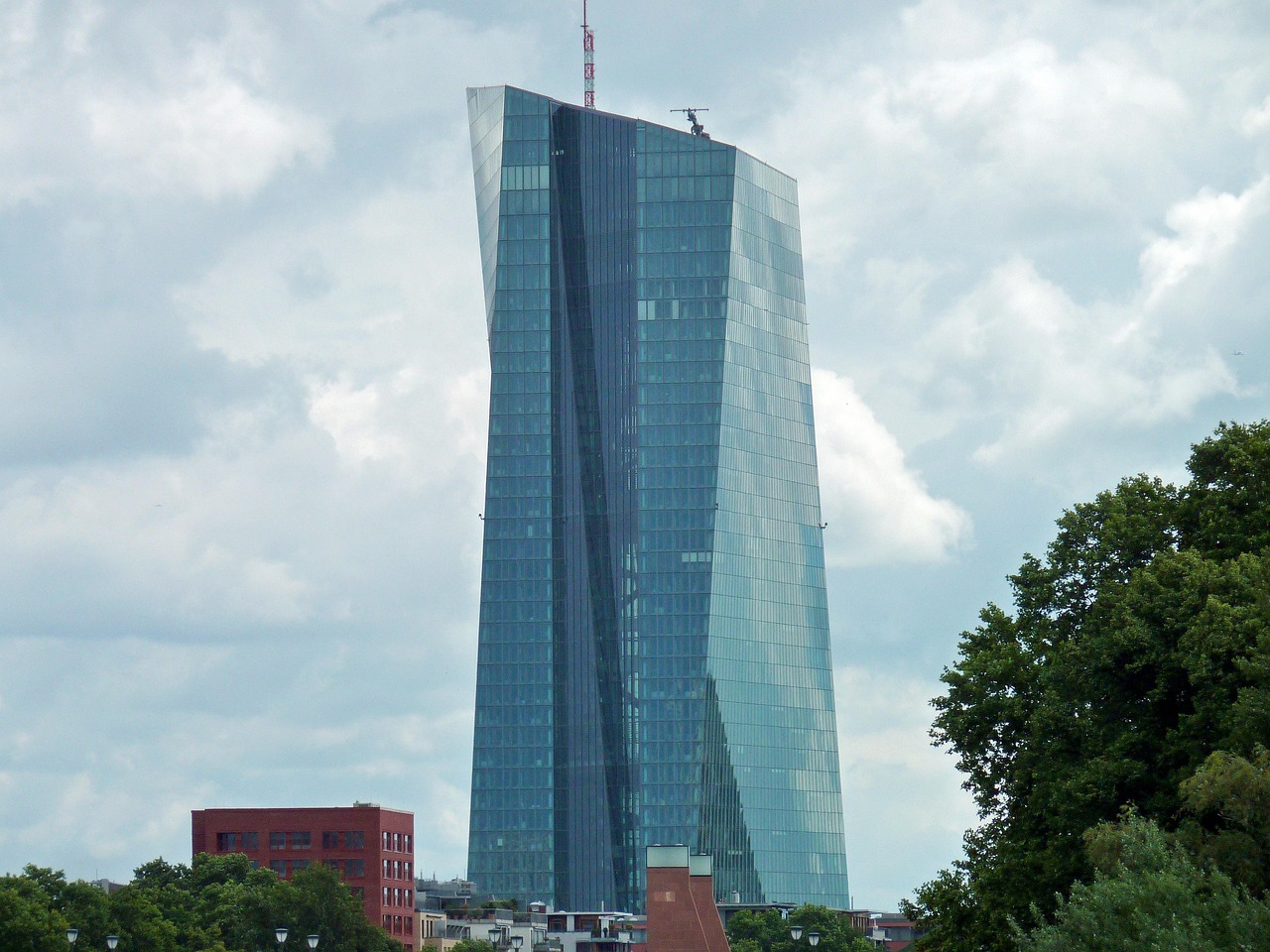
The Bank of Korea raised its benchmark interest rate by 25 basis points, to 3.25%, on Thursday 26 November at its last meeting of the year. It is the third increase this year and leaves the cost of money at its highest level in two years, according to CNBC. The decision was in line with what economists had expected.
According to CNBC, the bank has raised rates by 75 basis points in five months. The broadcaster attributes the pick-up in prices to more expensive energy due to the Iran war and to the boom in artificial intelligence.
Inflation and growth
Inflation in South Korea stood at 2.8% in October, above the 2% target. In its statement, the central bank says it will remain above that target for a considerable period. It attributes this to the pass-through of higher costs into prices and to demand strengthening gradually as growth picks up.
Gross domestic product (GDP) in the third quarter grew 3.4% year on year, above expectations, according to CNBC. That data, the broadcaster notes, gives the bank room to tighten policy.
The bank's new forecasts put growth at 3.9% for 2026 and 4.1% for 2027. In August it had estimated 3.3% and 2.9%. Bloomberg and The Wall Street Journal agree that the boom in semiconductors is driving growth and keeping prices elevated.
What officials and economists have said
Governor Shin Hyun-song said at the press conference following the decision that the high growth forecasts reflect the increasing weight of the technology sector as an engine of the Korean economy. He also noted, according to the local agency Yonhap, that operating profits in the semiconductor sector could reach 700 trillion won.
According to CNBC, Shin implied that there will be further increases, without setting a timetable. The bank's statement says its board considers it justified to continue the monetary policy response until it is confident that inflation will converge sustainably to the target.
Gareth Leather, senior Asia economist at Capital Economics, sees reasons to think the tightening cycle is nearing its end. According to CNBC, Leather argues that strong growth and a stronger won could ease concerns about inflation.
Leather acknowledges that the rapid rise in house prices could strengthen the case for a longer cycle. Even so, he considers it more likely that the bank will opt for macroprudential measures rather than further rate rises to address its financial stability concerns.
Market reaction
After the decision, the Kospi, the benchmark index of the South Korean stock market, rose 1.88%, according to CNBC. Bloomberg notes that the central bank acted despite weak household demand and a recent fall in the stock market.
In Western markets, the US 10-year Treasury yield closed on 25 November at 4.85%, down from 4.90% previously. Year to date it has ranged between a low of 3.96% and a high of 5.36%. These quotes predate the Korean bank's decision and cannot be attributed to it.
The euro traded at $1.0964 in the 26 November session, down 0.16%, with a 52-week low of $1.0884 and a high of $1.2024. Gold futures stand at $3,618.20 an ounce, up 1.50%.
The S&P 500 closed on 25 November at 7,182.78 points, down 0.25%. The IBEX 35 fell 2.00% that same day and ended at 18,635.80 points, with a 52-week high of 20,356.50. None of the sources links those moves to the Korean decision.
The material available does not give the date of the Bank of Korea's next meeting.
Questions and answers
- By how much has the interest rate risen in South Korea?
- The Bank of Korea has raised it by 25 basis points, to 3.25%. It is the third increase this year and the highest level in two years, according to CNBC.
- What growth forecasts does the bank have?
- It projects 3.9% for 2026 and 4.1% for 2027. In August it had forecast 3.3% and 2.9%.
- Will there be further rate rises?
- According to CNBC, Governor Shin Hyun-song implied that there will be, without setting a timetable. Gareth Leather of Capital Economics believes the cycle is nearing its end.
Sources
- Financial Times: Bank of Korea raises interest rates amid AI chip boom
- The Wall Street Journal: Bank of Korea Resumes Rate Hikes as AI Boom Fuels Growth
- CNBC: South Korea raises rates to highest in two years, as inflation remains above target
- Bloomberg: BOK Hikes Rate on Stubborn Inflation as AI Boom Drives Growth
Was this story useful?
Comments
You need a free Celsmar account to comment.
Sign in or create accountNo comments yet. Yours can be the first.
Keep reading
- Celsmar Newsroom
BoJ's Tamura calls for early rate hike as December move gains support
Bank of Japan board member Naoki Tamura has argued for lifting interest rates to a neutral level as soon as possible, according to Bloomberg and The Wall Street Journal.
- Celsmar Newsroom
Fed's Beige Book Shows Modest Growth and Rising Wage Pressure
The Beige Book published on 25 November describes stagnant consumer spending and rising costs. The 10-year Treasury yield eases to 4.85% and the S&P 500 falls 0.25%.
- Celsmar Newsroom
US PCE inflation climbs to 3.8% in October as core rises to 3.3%
The inflation gauge the Federal Reserve follows rose 0.3% in the month. Markets are pricing in a quarter-point rate hike at the 8 and 9 December meeting.
- Celsmar Newsroom
Average salary rises 4.7% in 2025 to €2,497.2 gross a month
According to the INE, it is the highest figure in a series that began in 2006. The gap between men and women stands at around €500 a month.
Produced with artificial intelligence from the cited sources and translated from Spanish. Editorial responsibility: Celsmar. This is information, not financial advice, and it contains no recommendation to buy or sell. This is how the Celsmar Newsroom works.