Deutsche Bank and Barclays urge next Spanish government to stick to fiscal discipline
The two banks warn that curbing immigration would hurt GDP, which contributed nearly half of growth between 2022 and 2025. Sabadell earned €1.775 billion in 2025, down 2.8%.
By Celsmar Newsroom · Spain desk · Published on · 3 min read
Translated from the Spanish original. Read the original
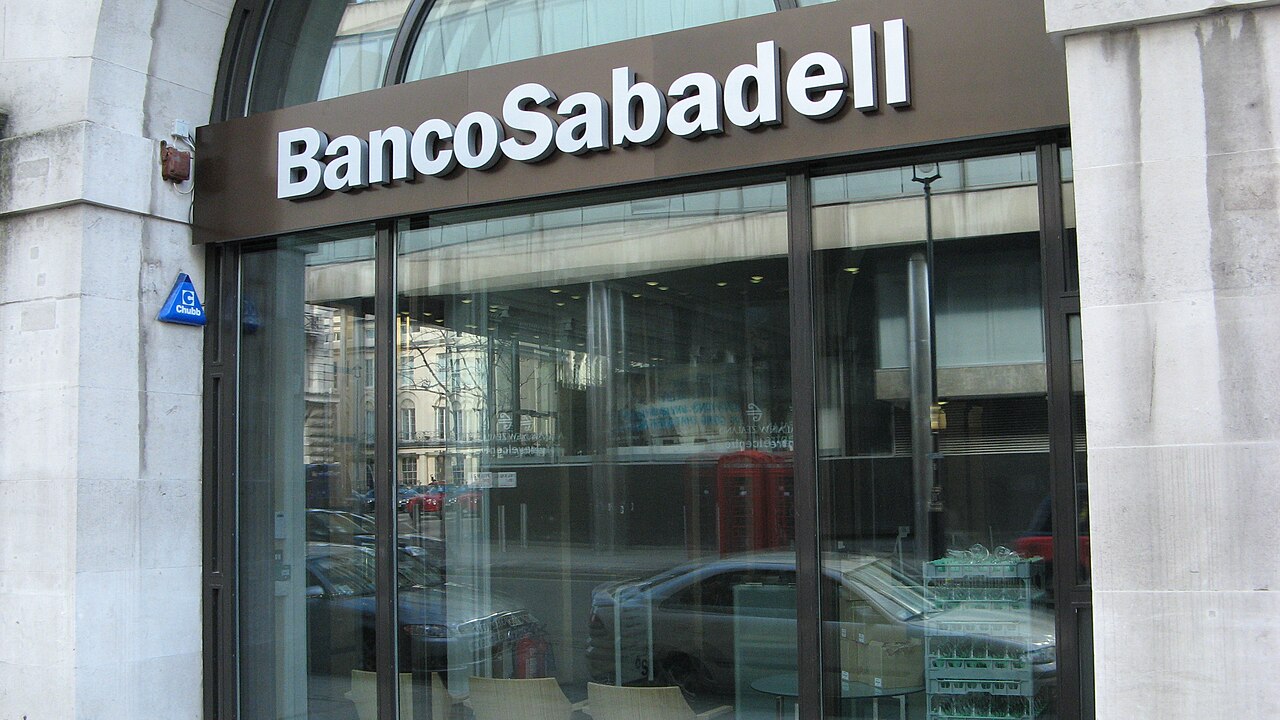
Analysts at Deutsche Bank and Barclays have called on the next government to maintain fiscal discipline and consolidation, according to El Español. They do so in separate reports published this week, on the eve of the general election on 29 November. The ballot will determine the executive of the next legislature.
Both banks describe an economy heading to the polls with the strongest GDP growth among the big euro-area countries and a progressive reduction of the deficit and public debt relative to GDP. They ask that the new government not深 depart from that roadmap, above all because of the situation in France and the possible contagion of its sovereign debt crisis.
Banco Sabadell
Loading the price…
Closing price. Move the cursor or your finger over the chart to see each day.
Taxes and immigration
According to El Español, the analysts' concern stems from the tax cuts promised by the PP, which both banks see as favourites to govern with the support of Vox. Barclays notes that if those cuts are not accompanied by an equivalent reduction in public spending, a fiscal slippage could occur that pressures the risk premium. That would mean, the bank says, a loss of "fiscal credibility".
Deutsche Bank and Barclays also voice concern over plans to restrict migration flows. They recall that immigration contributed nearly half of Spain's GDP growth between 2022 and 2025. They explain that it has expanded the labour supply and sustained domestic demand, so a restriction would reduce available manpower and slow activity.
Barclays adds, according to El Español, that a PP and Vox government would make it easier to scrap the bank tax and encourage mergers, would reduce nuclear taxation and extend the useful life of power plants. It could also repeal the royal decree on data centres, which would attract investment. In a report cited by merca2.es, the British bank argues that a government with a stable majority could extend the stock market rally in the short term. The IEB, by contrast, points out that recent history shows no pattern between the political colour of the government and the index's performance.
What the Spanish banks say
Economía Digital reports that BBVA, CaixaBank and Sabadell warn of Spain's fiscal vulnerability in the documentation for their latest bond issues, filed with the National Securities Market Commission (CNMV). CaixaBank and Sabadell state that "fiscal pressures remain significant in Spain" and put general government debt at 99.9% of GDP in July 2026. They add that the deficit will stay above 2% over the Bank of Spain's forecast horizon.
Among the factors that could add pressure, the entities cite measures against rising energy costs and the gradual increase in defence spending. BBVA also mentions spending needs for infrastructure and climate change adaptation. CaixaBank and Sabadell also flag the risk of disruption in the Strait of Hormuz and Bab el-Mandeb, which could push up the cost of energy, shipping and insurance.
Sabadell, one of the three lenders, earned €1.775 billion in 2025, down 2.8% on the previous year, according to its annual accounts. Its operating profit was €2.143 billion, compared with €2.618 billion in 2024. In the first half of 2026, according to the interim report filed with the CNMV, net profit was €970.6 million, against €975.3 million a year earlier. Earnings per share (EPS) for the half were €0.08, against €0.13.
On the stock market
The Ibex 35 gained 1.72% on 27 November and closed at 19,386.60 points, with an intraday low of 19,202.20 and a high of 19,428.20. The previous day it had closed at 19,057.90 points. Its 52-week high stands at 20,356.50 points and its low at 16,247.30.
Among the index's constituents, ArcelorMittal rose 4.69% to €54.42 and Banco Santander 4.43% to €10.90. Acciona Energía advanced 4.05% to €19.79.
BBVA traded at $24.40 that same 27 November, up 1.62%. Its 52-week high is $29.64 and its low $20.25.
Also in this story: BBVA.
Questions and answers
- What do Deutsche Bank and Barclays ask of the next government?
- They ask it to maintain fiscal discipline and consolidation, according to El Español. Barclays warns that tax cuts without an equivalent spending cut could erode fiscal credibility and put pressure on the risk premium.
- Why do they mention immigration?
- Because, according to both banks, it contributed nearly half of GDP growth between 2022 and 2025. A restriction would reduce available manpower and slow activity.
- How did the Ibex 35 close on 27 November?
- It gained 1.72% and closed at 19,386.60 points. Its 52-week high is 20,356.50 points.
Sources
- El Español: Los mercados piden al próximo Gobierno que vele por el rigor fiscal y avisan: limitar la inmigración dañará al PIB
- Economía Digital: Sabadell, BBVA y CaixaBank: la banca alerta al nuevo gobierno de la presión fiscal y el deterioro económico
- merca2.es: Utilities, banca y concesionarias, los valores más expuestos al resultado electoral del 29-N
Was this story useful?
Comments
You need a free Celsmar account to comment.
Sign in or create accountNo comments yet. Yours can be the first.
Keep reading
- Celsmar Newsroom

Amancio Ortega adds about €2.4bn of property purchases in 2026
The founder of Inditex has bought a building in Lisbon for more than €100 million, according to ECO. Ortega holds 59.294% of Inditex's voting rights, according to the CNMV register.
Inditex
- Celsmar Newsroom
Amancio Ortega buys Zara building in Lisbon for over €100m
Pontegadea, the investment vehicle of Inditex founder Amancio Ortega, has bought the property on Rossio square, according to ECO. Ortega holds 59.294% of the voting rights in Inditex, which earned €6.22bn in the 2025 financial year.
Inditex
- Celsmar Newsroom
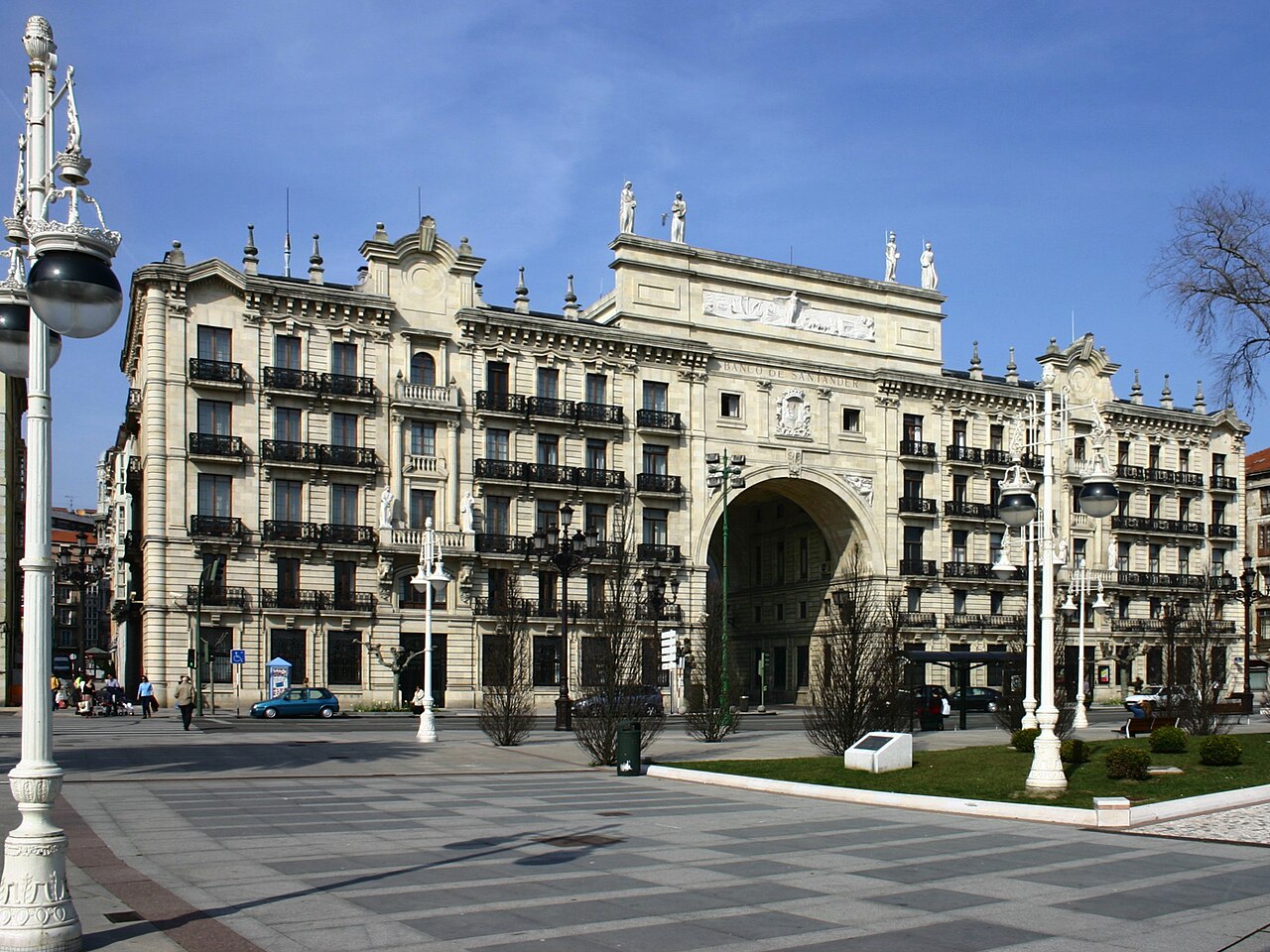
Santander names seven regional directors to boost corporate banking
Banco Santander has announced changes at seven of its thirteen regional divisions in Spain, effective 1 December. The bank earned €14,101 million in 2025, 12.1% more than a year earlier.
Banco Santander
- Celsmar Newsroom
TSK founder Sabino García Vallina dies aged 79
Beatriz García Rico takes over as TSK's chair on an interim basis, according to a stock exchange filing sent to Spain's securities regulator, the CNMV, on Friday 27 November. The Ibex 35 was up 1.40% at 13:31, at 19,325.00 points.
Produced with artificial intelligence from the cited sources and translated from Spanish. Editorial responsibility: Celsmar. This is information, not financial advice, and it contains no recommendation to buy or sell. This is how the Celsmar Newsroom works.