German GDP grows 0.1% in third quarter, below estimate
Destatis has revised down its initial estimate of 0.2%, and Europe's largest economy is losing momentum again after growth of 0.3% in the second quarter.
By Celsmar Newsroom · Economy desk · Published on · 3 min read
Translated from the Spanish original. Read the original
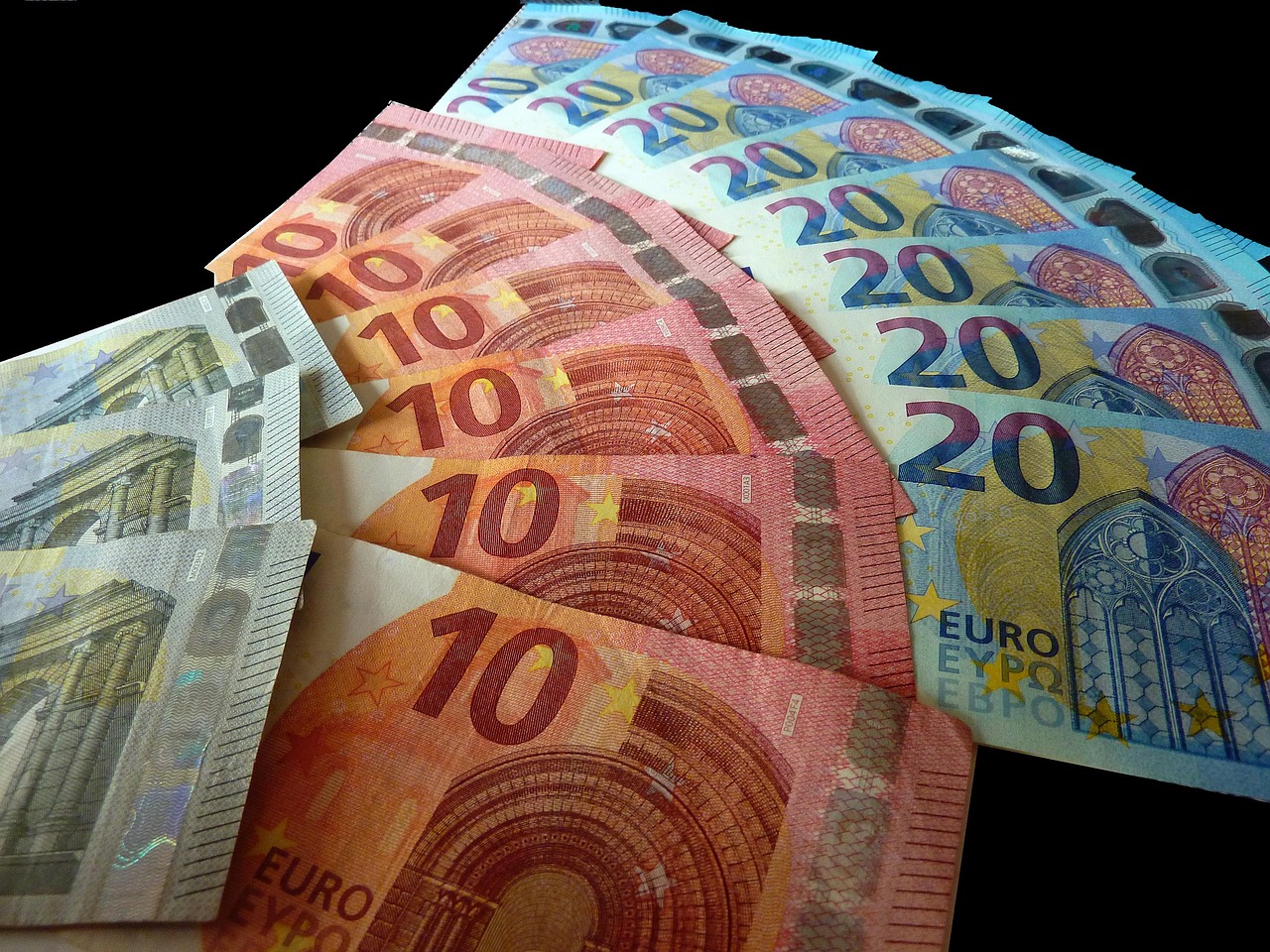
Germany's gross domestic product (GDP) grew by 0.1% in the third quarter of 2026 compared with the previous quarter, according to the second estimate published on 25 November by the Federal Statistical Office (Destatis). The figure is below the agency's first estimate, which pointed to growth of 0.2% between July and September.
Bloomberg has said the German economy expanded at a slower pace than initially calculated and has pointed to a sharp drop in investment.
Expectations and the previous series
The revision confirms that Germany's recovery is losing momentum. GDP had risen by 0.3% in the second quarter and by 0.4% between January and March. Destatis explained that in September exports and, in particular, retail sales were slightly weaker than initially calculated.
Compared with the same quarter of 2025, year-on-year GDP growth accelerated to 1.2% on a seasonally adjusted basis. In the second quarter it was 1%, and in the first three months of 2026, 0.8%.
Against its neighbours, Germany lagged the euro area as a whole, which grew by 0.4%. Among the region's large economies, it only outperformed Italy, which posted 0%, and France, whose GDP contracted by 0.1%. Spain advanced by 0.6%. US GDP grew by 0.8% in the third quarter.
What Destatis said and what is happening with employment
Ruth Brand, president of the Federal Statistical Office, acknowledged that, after a robust first half despite geopolitical crises, growth slowed in the third quarter of 2026.
Destatis estimates that around 45.7 million people were in work in Germany in the third quarter, 222,000 fewer than a year earlier, a decline of 0.5%. The fall was felt mainly in manufacturing and construction, where the downward trend has persisted since the fourth quarter of 2023. The number of employees in services also declined.
The average hours worked per person rose by 0.1% compared with a year earlier. Even so, the total volume of work in the economy fell by 0.3%.
In the markets
The euro trades at $1.0941 at 10:55, down 0.24% on the day. The previous close was $1.0967 and the session range runs from $1.0935 to $1.0970. Over the past 52 weeks, the euro has moved between a low of $1.0884 and a high of $1.2024.
The IBEX 35 is down 0.22% at 10:41 and stands at 18,973.50 points, compared with 19,015.80 at the previous close. Its 52-week high is 20,356.50 points and its low is 15,910.30.
In the United States, the S&P 500 fell 0.50% on 24 November and closed at 7,201.09 points. The yield on the 10-year US Treasury bond stood at 4.90% that day, compared with 4.92% previously.
That same day, the Conference Board's US consumer confidence index was published at 103.3 points for November, against the 92.4 expected by consensus and 91.9 in the previous reading.
Gold futures trade at $3,554.10 an ounce and are down 1.03% on the session.
Questions and answers
- How much did Germany's GDP grow in the third quarter?
- By 0.1% on the previous quarter, according to the second reading from Destatis. The first estimate was 0.2%.
- What slowed the German economy?
- Destatis says that in September exports and retail sales were slightly weaker than expected. Bloomberg points to a sharp drop in investment.
- How does it compare with other economies?
- It lagged the euro area, at 0.4%, and Spain, at 0.6%. It outperformed Italy, at 0%, and France, at -0.1%.
Sources
- Europa Press: El PIB de Alemania creció un 0,1% en el tercer trimestre, por debajo de lo previsto
- Bloomberg: German Economy Grew Less Than Estimated in Third Quarter
Was this story useful?
Comments
You need a free Celsmar account to comment.
Sign in or create accountNo comments yet. Yours can be the first.
Keep reading
- Celsmar Newsroom
Ofgem raises UK energy price cap by 26% from January
The British regulator is lifting the gas and electricity price ceiling for a third consecutive quarter, according to the Financial Times, Bloomberg and The Guardian. Annual bills will top £2,000.
- Celsmar Newsroom

De Cos emerges as frontrunner for ECB presidency as Knot stays in race
According to ABC and El Mundo, the former Bank of Spain governor has the backing of Germany, France and Italy. The European Council on 26 and 27 November will seek a political agreement.
- Celsmar Newsroom

Australia's inflation rises to 4.9% year on year in October as RBA stays on alert
Australia's consumer price index rose 4.9% year on year in October, according to The Wall Street Journal. Bloomberg reports that underlying inflation accelerated unexpectedly.
- Celsmar Newsroom
Argentina's economy grows 1.1% in September but slips into technical recession
Indec reported on 24 November that activity rose 1.1% month on month in September and fell 1.2% year on year. Two consecutive quarters of contraction confirm a technical recession.
Produced with artificial intelligence from the cited sources and translated from Spanish. Editorial responsibility: Celsmar. This is information, not financial advice, and it contains no recommendation to buy or sell. This is how the Celsmar Newsroom works.